


Posted by Lee Padgett on 23rd Mar 2023
We might be a little late with some of these tips for southern growers, but for you folks in USDA Zones 6 and up, we still have a little time.
Here are some top suggestions (a sort of checklist, if you will) to ensure you have everything in order for spring planting time.
Here are a few things not to overlook for field preparation.
1. Check your equipment
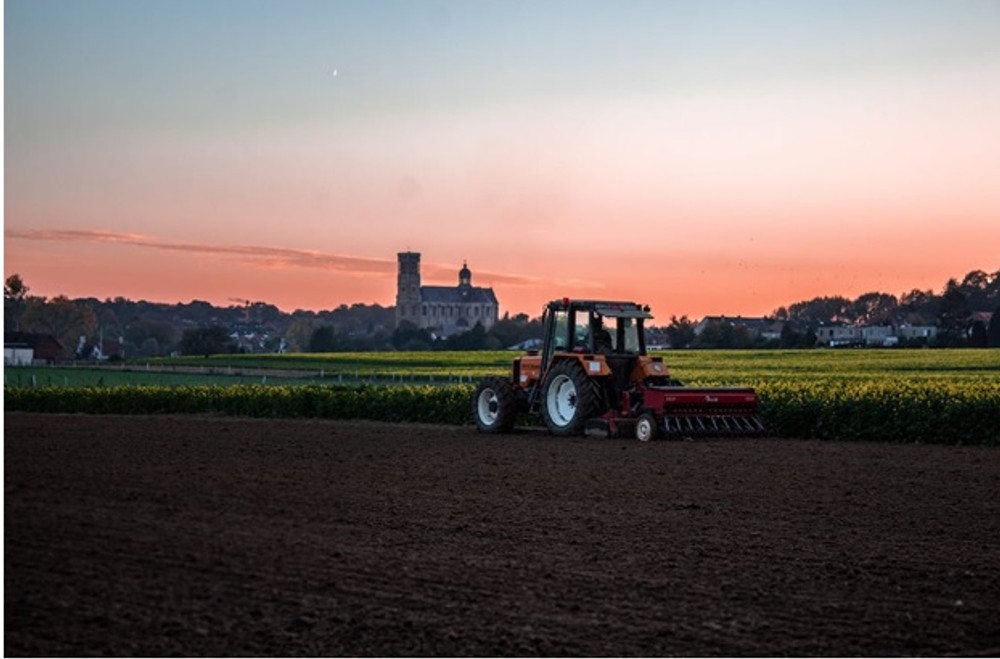
First and foremost, if you rely on a mini skid steer, mini excavator, or tractor to clear, fertilize, plant, and harvest, well in advance of the planting season is when you need to inspect, maintain, and repair last year’s attachments.
Fill or replace oil and hydraulic fluid levels as necessary, and repair any compromised hoses and hardware. Inspect all attachment points, fasteners, and pins to ensure they are present, installed correctly, and in good shape. Replace any that are missing.
Now is also the time to inspect all attachments and moving points; for instance, if your bucket’s teeth are broken or missing or your mini excavator auger bit is dull or rusted, sharpen or replace them as necessary.
2.Clear the cover crop
Allowing a cover crop to grow on your soil is a great way to benefit your soil between seasons. Cover crops control erosion, regulate moisture levels, fix lost nutrients in the soil, help prevent soil compaction, suppress weeds, and attract pollinators, among other benefits.
But when the time comes you need to be able to clear the cover crop quickly and efficiently. A purpose-built attachment like a tiller or one of our 42” wide brush cutter attachments is perfect for this.

3. Be patient (wait till the soil is dry enough to work)
After clearing the cover crop, you need to wait until soil conditions are suitable for planting. Specifically, you need to wait until the soil has dried properly.
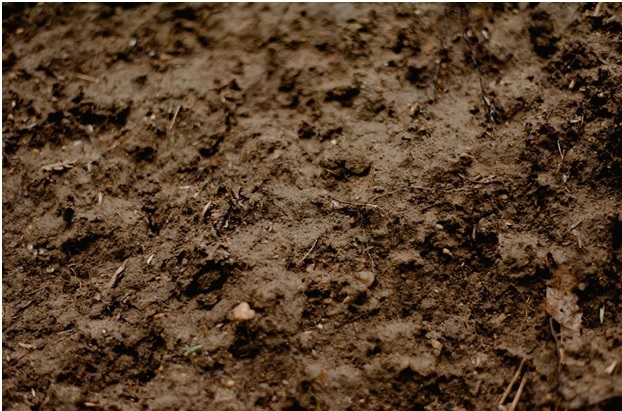
Cover crops do help prevent soil from becoming too soggy, but even they can be overwhelmed. If your soil is too wet or there are flooded low areas, wait until they have dried sufficiently before proceeding with testing, augmenting, and planting. Riding over the soil while it is too wet will cause compaction and smearing which will hinder future crop production.
4. Test the soil
With the cover crop cleared and the soil properly dried, you may choose to test the soil to see which if any augmentations you will want to make.
Most others might advocate for taking a fall soil test. We advocate for both fall and spring tests, as this will give you a more complete picture of how the soil weathers the winter, what chemical and biological markers shift after the winter crop cover has been established and mown down, and which microorganisms are most active in the spring.
5. Fortify as needed
There are many ways to augment the soil to improve the nutrient profile and the microbiome which encourages healthy crop production.
Compost is a great, though basic, way to enrich the soil, but there are a wide range of other augmentations that farmers can make to improve the chemistry of their soil. Some of these are:
- Inorganic amendments, such as sand, perlite, gravel, vermiculite, and lime: which can increase the porosity of the soil and change the pH.
- Sphagnum moss, grass clippings, and hay: Can decrease soil density and encourage drainage while improving moisture retention.
- Manure and biosolids: Enrich soil nutrient profile, and add nitrogen to the soil.
- Ash: increases soil pH, and adds nutrients.
- Sawdust: Increases soil moisture retention.
- Bone meal: Increases phosphorus
In addition to these, there is a wide range of commercially available soil augmentations and fertilizers that can be used to enrich the soil.
6. Lay out ground cover ahead of time
If you’re going to lay out ground cover or a silt fence between the time that you clear your cover crop and plant, do it earlier rather than later (unless the soil is waterlogged) as this will both help prevent erosion and control weed growth. Some crops are planted through ground cover to shield their roots and prevent them from becoming choked out by weeds and other species. (We sell a variety of skid steer silt fence installers that are ideal for silt fence installation.)
7. Rake, level, and aerate
Before planting (assuming you don’t have ground cover in place, it’s time to rake, level, and aerate the soil. Doing so will eliminate any soil compaction that has occurred from rain or riding over the soil and will encourage optimal root growth and crop proliferation.
8.Plant!
Last may be the most obvious but most essential step of all - planting time. For niche planting applications, such as for orchards planting trees, we carry a wide range of specialized attachments like tree spades and heavy-duty mini excavator auger bits and drives suitable for all ground conditions.
Skid Steer, Mini Skid Steer, and Mini Excavator Auger Bits, Buckets, Rippers, and Trenchers That Will Never Surrender
Spartan Equipment attachments, made most popular skid steers, mini skid steers, and excavator models, are the toughest in the industry.
Made from American steel only, in the United States, and covered by generous warranties, our attachments will Never Surrender.
For more information, get in touch with us at 1-888-888-1085.