

Posted by Spartan Equipment on 28th Apr 2026
You can run the best machine on site… But if the bucket isn’t right, everything slows down.
That’s the part most people ignore when looking at mini excavator attachments. They focus on the machine, not what’s actually doing the digging. The truth is, bucket design changes everything: how you cut into soil, how clean your trench looks, and even how much fuel you burn in a day.
Let’s break it down properly.
Why Bucket Design Isn’t Just “A Bucket”
A lot of operators treat buckets like interchangeable tools. Swap one out, keep moving. But the design of a mini excavator bucket directly controls:
- How aggressively it cuts
- How much material it hold
- How cleanly it releases
- How much resistance the machine feels
And resistance matters. More resistance = more strain = slower work.
At Spartan Equipment, most buyers don’t come in asking for “a bucket.” They ask why their current setup feels slow or inefficient. Nine times out of ten, it’s the wrong bucket design.
Different Bucket Designs, Different Digging Styles
There’s no one-size-fits-all here. The way a bucket is shaped decides how your machine behaves.
1. Digging Buckets – The Everyday Workhorse
A digging bucket for a mini excavator is what most jobs start with. It’s designed for general soil, trenching, and moving loose material.
What makes it work:
- Narrower profile for precision
- Curved shape to scoop efficiently
- Teeth for cutting into soil
But here’s the catch: it’s not built for tough materials. Push it into rock-heavy ground, and you’ll feel the difference immediately.
2. Rock Buckets – Built for Abuse
A heavy-duty rock bucket or excavator rock bucket is a different animal.
It’s stronger, heavier, and designed to handle the following:
- Dense soil
- Mixed debris
- Rocks and compacted material
The spacing between teeth is wider. That allows smaller debris to fall through while keeping larger rocks inside.
If you’re looking at a rock bucket for sale, don’t just compare prices. Check steel thickness and reinforcement. Cheap ones bend. Good ones last.
Mid-job failures? Not worth saving a few bucks.
How Bucket Shape Affects Material Handling
This part is often overlooked. It’s not just about digging. It’s about how the material moves inside the bucket and how easily it dumps.
A well-designed bucket:
- Fills evenly (no awkward loading)
- Holds material without spilling
- Releases cleanly without sticking
Poor design leads to:
- Half-filled loads
- Material sticking inside
- Extra movements just to empty it
That’s lost time. Every single cycle.
Size Matters More Than You Think
People usually go bigger, thinking it means faster work. Not always true.
Choosing the right bucket for a mini excavator depends on:
- Machine size and power
- Type of material
- Job precision required
A bucket that’s too large:
- Overloads the machine
- Reduces control
- Slows cycle time
Too small:
- More cycles needed
- Lower efficiency overall
The goal is balance. Not maximum size.
Where Attachments Fit Into the Bigger Picture
Buckets are just one part of the ecosystem of compact excavator attachments.
Depending on the job, operators switch between:
- Buckets for digging and trenching
- Grabs for handling debris
- A mini excavator mower attachment for land clearing
- Other excavator accessories for specialized work
The smarter approach? Build a setup, not just a machine.
That’s where brands like Spartan Equipment come in, helping match the right attachments for a mini excavator instead of pushing random inventory.
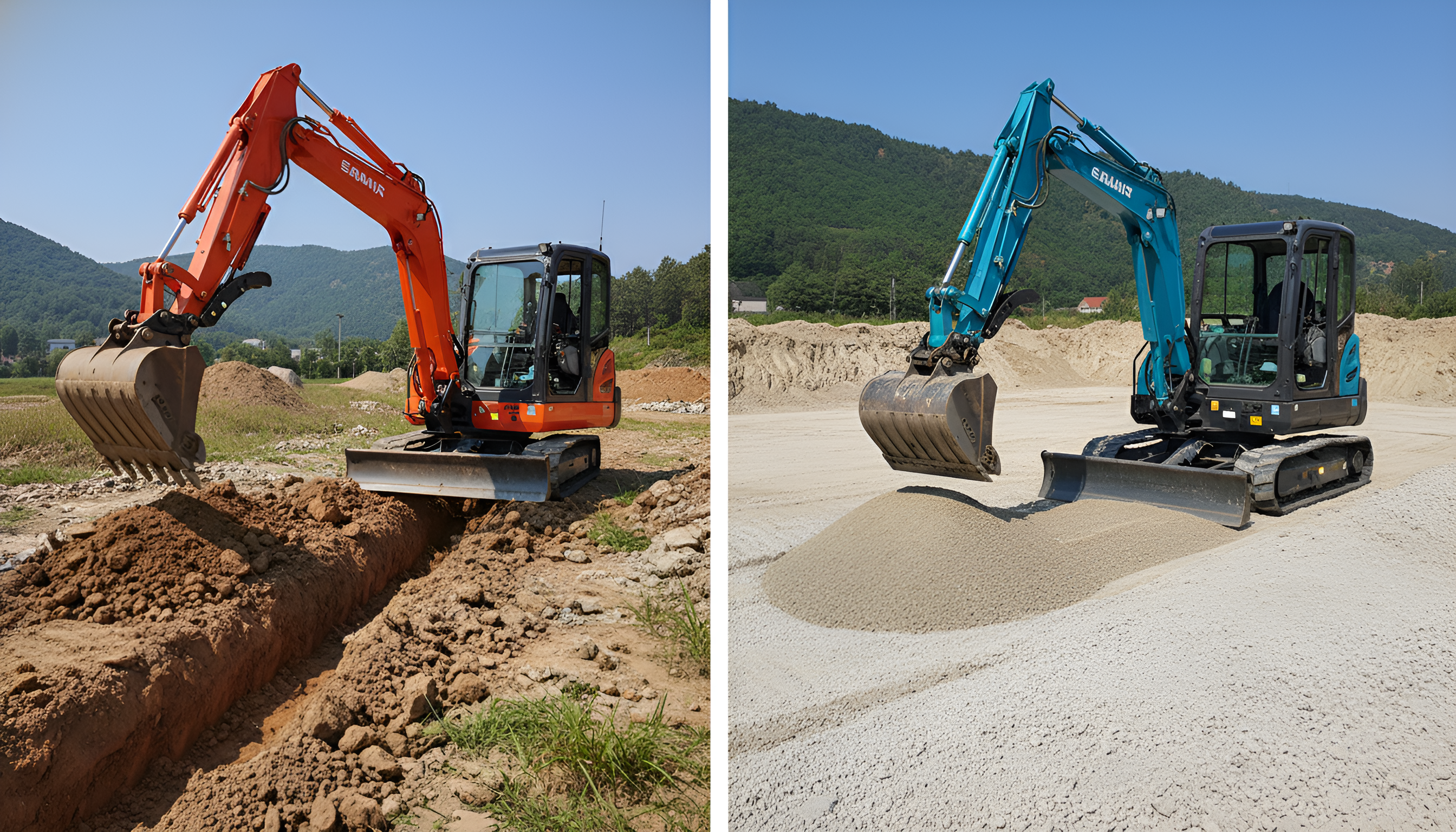
Don’t Guess Your Setup
If your machine feels slow, struggles in certain soil, or just doesn’t “feel right,” it’s probably not the machine. It’s the attachment.
Check out the right mini excavator attachments for sale at Spartan Equipment and get a setup that actually matches your work.
Real-World Impact: What Changes on Site
Once you get the bucket right, things shift fast.
You’ll notice:
- Cleaner trenches
- Faster digging cycles
- Less strain on the machine
- Better fuel efficiency
And honestly, less frustration. Operators feel it immediately.
Because when the bucket matches the job, the machine stops fighting you.
Final Thoughts
Most people spend weeks choosing the excavator. Then pick a bucket in five minutes. That’s backward. Your bucket decides how your machine performs daily. It controls digging style, material handling, and overall productivity.
So take it seriously. Explore durable, job-ready construction buckets and mini excavator attachments at Spartan Equipment and build a setup that actually works in the field.
FAQs
What is a mini excavator bucket used for?
One of the most fundamental mini excavator attachments is a mini excavator bucket, which is used to excavate, trench, lift, and transport materials such as soil, gravel, and debris. It is the main tool that has to deal with the ground, and, therefore, its construction has a direct impact on efficiency, the way of digging, and the way of job performance.
What is a rock bucket, and how is it different?
Rock bucket: a reinforced bucket used to work with hard materials such as rocks, debris, and compact soil. It is made of heavier steel with more powerful teeth and a spacing that enables smaller particles to pass through it while retaining larger pieces of material firmly inside, as opposed to standard digging buckets.
What size bucket is best for a mini excavator?
The optimal size of the bucket will be based on the capacity of your machine and the type of work. Smaller buckets are more precise and controllable, particularly in trenching, and larger buckets can carry more material, but they might not be as efficient when they become so heavy that they slow down cycle times or when they slow down the machine.
What is bucket capacity, and why is it important?
Bucket capacity is the amount of material that a bucket is able to hold in a single scoop. It has a direct implication on productivity. The right size bucket will enhance efficiency, cut cycle time, and avoid overloading the excavator, which may slow down the machine and cause excessive wear.