


Posted by Spartan Equipment on 21st May 2026
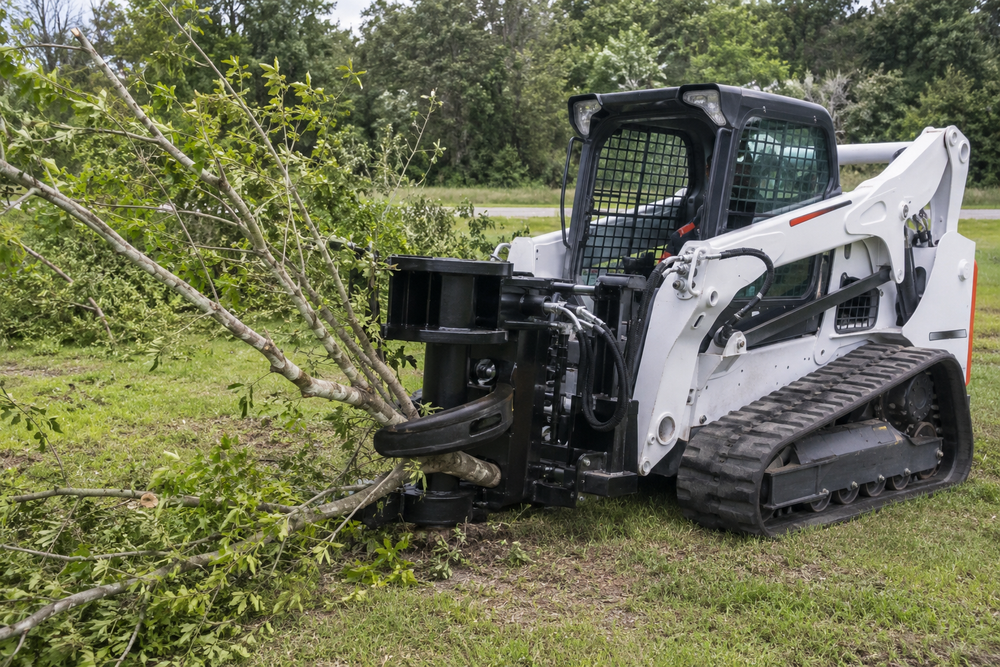
Buying used equipment can save a lot of money. Everybody knows that. But when it comes to heavy-duty attachments like a skid steer tree shear, rushing the deal usually ends badly. A machine can look clean on the outside and still be one repair away from becoming a headache sitting in your yard.
Tree shears take abuse, constant pressure, dirty environments, uneven cuts, and hard ground. Operators slamming through brush because they’re trying to clear land faster. So yeah, inspection matters more than people think.
Whether you're handling residential and commercial landscaping, clearing fence lines, or looking for dependable skid steer land clearing attachments, knowing what to check before purchase can save thousands later.
A lot of buyers only check the blade and call it a day. That’s not enough. Not even close.
Start With the Overall Frame Condition
First thing — stop staring at the paint.
Fresh paint sometimes hides problems. Cracks get covered up. Welds get disguised. Dealers know buyers love shiny equipment. Doesn’t mean the attachment is healthy.
Walk around the hydraulic tree shear slowly and inspect:
- Weld points
- Pivot areas
- Mounting plate condition
- Bent steel sections
- Rust around stress points
- Uneven wear patterns
Look carefully near hinge points because that’s where stress builds over time. If you notice rewelded areas that look messy or uneven, ask questions. A repaired frame isn’t automatically bad, but bad repairs usually show up later when the attachment is under pressure.
And honestly, if the seller avoids details or changes the subject, that’s already your answer.
Inspect the Blade Like You Actually Plan to Use It
The blade matters. Obviously. But don’t just ask if it’s “sharp.”
A used tree-cutting attachment can still cut even with a worn blade, but efficiency drops fast. You’ll notice slower cuts, splintering, extra strain on hydraulics, and rough operation.
Look for:
Signs of Blade Damage
- Chips along the edge
- Rounded cutting surfaces
- Cracks near bolt holes
- Uneven sharpening
- Heat discoloration from bad grinding
A decent blade should still have a clean profile. If it looks butchered up from repeated grinding, replacement may be coming sooner than expected.
Also, check whether replacement blades are still available for that model. Some older skid steer tree shear models for small trees become difficult to source parts for later.
That becomes annoying real quick.
Hydraulic Leaks Are a Bigger Problem Than People Admit
Hydraulics tell the truth about equipment condition.
A seller may clean the machine before showing it, so don’t rely only on visible leaks. Run the attachment if possible. Warm hydraulics reveal problems better than cold ones.
Watch for:
- Dripping fluid
- Wet hose connections
- Slow cylinder movement
- Jerky operation
- Strange whining noises
- Weak clamping pressure
A hydraulic tree shear should operate smoothly. No hesitation. No weird pauses.
Pay attention to the cylinders, too. Pitted cylinder rods eventually destroy seals. Once that starts, repairs snowball.
And if hydraulic hoses look dry-cracked or patched together with random fittings… Yeah, budget for replacements immediately.
Check the Mounting Plate and Couplers
This part gets ignored constantly.
The mounting system takes repeated force every single day. Especially during aggressive land-clearing jobs. A damaged quick-attach plate causes alignment issues that affect the whole attachment.
Inspect for:
- Loose fitment
- Elongated holes
- Bent latch points
- Broken locking mechanisms
- Uneven wear on couplers
If the skid steer tree shear doesn’t sit correctly on your machine, cuts become unpredictable. Worse, it creates safety problems.
Ask About Previous Usage
This conversation matters more than buyers realize.
Used for light property maintenance? Probably okay.
Used daily for commercial clearing of hardwoods twice the recommended size? That changes things.
Some questions worth asking:
- What size trees were it mainly cutting?
- Was it used for residential and commercial landscaping?
- How often were blades serviced?
- Any cylinder replacements?
- Any frame repairs?
- Stored indoors or outside?
You can usually tell when someone actually maintained their equipment. They answer directly. Specific details. No weird hesitation.
People who abuse attachments often get vague fast.
Test the Cutting Action Before Buying
Never buy a used tree-cutting attachment without seeing it operate if you can avoid it.
Seriously. Don’t.
A proper test reveals things photos never will.
When operating the skid steer tree shear, check:
How It Handles Pressure
- Does the blade close smoothly?
- Does the clamp hold firmly?
- Any unusual vibration?
- Does it twist while cutting?
- Is the cycle speed consistent?
Try smaller material first, then moderate-diameter trees if possible.
Weak cuts sometimes indicate hydraulic weakness rather than blade issues. Both matter.
And listen carefully. Machines usually warn you before failure. Grinding noises, popping sounds, and pressure surges aren’t “normal wear.”
Don’t Ignore Compatibility With Your Machine
Not every skid loader tree spade, or tree shear setup, matches every skid steer properly.
Check:
- Hydraulic flow requirements
- Weight compatibility
- Attachment dimensions
- Coupler style
- Recommended operating pressure
An oversized attachment stresses your machine unnecessarily. An undersized one wastes productivity.
The same idea applies if you're also using a skid loader tree transplant attachment or landscaping equipment for tree relocation alongside clearing equipment. Balance matters.
A lot of operators buy based on price first and compatibility second. Usually backwards.
Compare a tree shear vs. a tree puller carefully.
This part confuses buyers all the time.
The tree shear vs. tree puller debate really comes down to project type.
A skid steer tree shear works better for:
- Fast clearing
- Fence lines
- Thick brush
- Cutting standing trees
- Cleaner processing work
A tree puller works better when root removal matters immediately.
If your work includes transplant prep, root preservation, or moving smaller trees with a skid loader tree transplant attachment, cutting equipment alone may not handle the full job properly.
And soil matters too.
Soil Conditions Affect Equipment Performance
Different soil conditions for transplanting affect how equipment behaves in the field.
Loose soil makes relocation easier. Rocky or compacted ground increases stress on equipment and slows productivity. Wet clay creates traction issues. Dry hard ground increases wear on blades and cylinders.
That’s why experienced contractors choose attachments based on actual jobsite conditions instead of guessing.
Look at Service Records if available.
Not everybody keeps maintenance logs. But if a seller does, that’s usually a good sign.
You want to see:
- Hydraulic servicing
- Blade replacement history
- Grease schedules
- Cylinder repairs
- Hose replacements
Regular maintenance usually means the owner cares about the attachment. Neglected equipment tends to show patterns fast once you inspect closely.
And honestly, clean records make negotiations easier too.
Final Thoughts Before You Buy
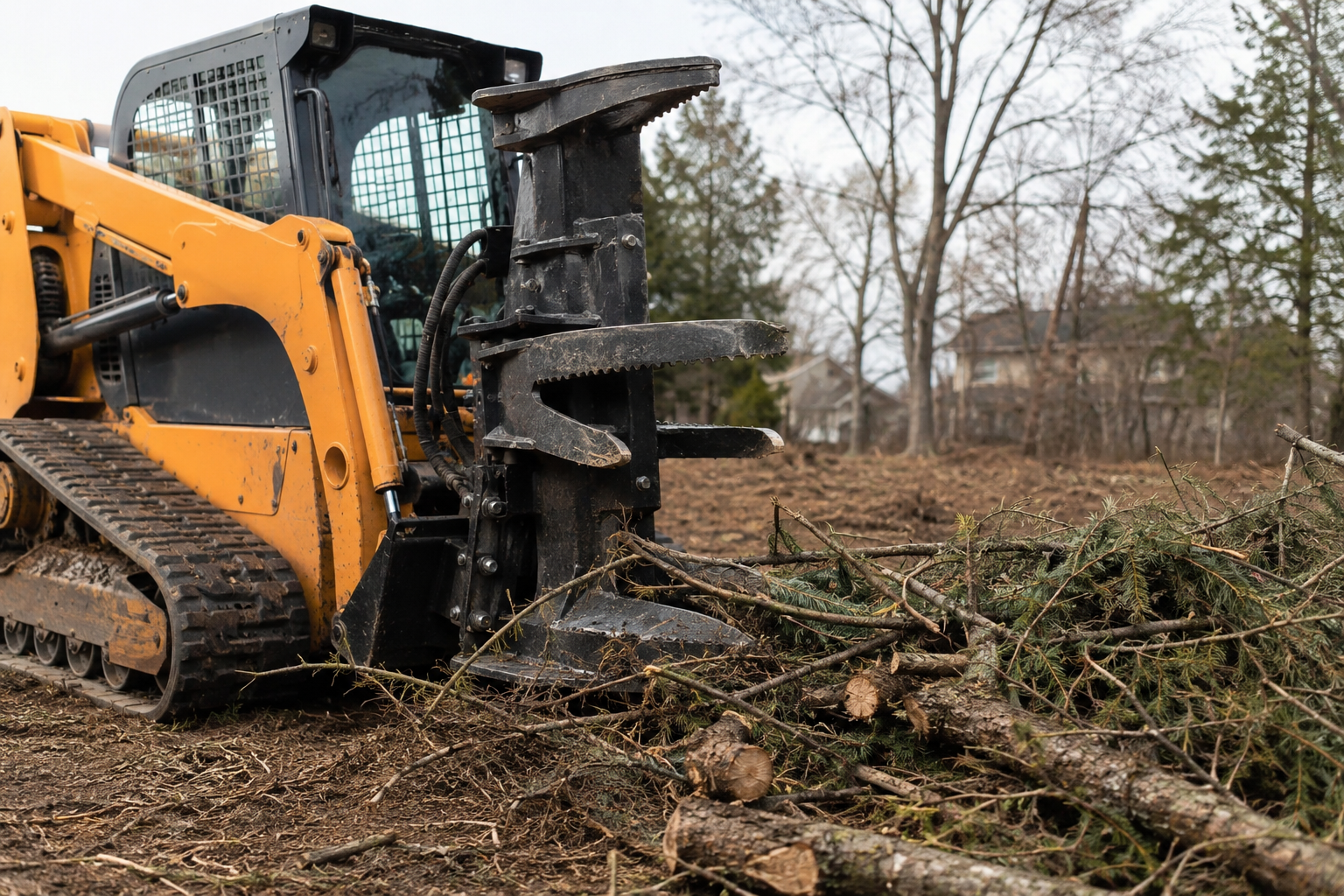
A used skid steer tree shear can be a smart investment or a complete money pit. It depends on how carefully you inspect it.
Don’t get distracted by paint or low pricing. Focus on frame integrity, hydraulic performance, blade condition, and compatibility with your machine. Those are the things that actually matter once the attachment starts working every day.
Good equipment makes land clearing faster, safer, and way less frustrating. Bad equipment does the opposite.
Are you looking for reliable skid steer land clearing attachments, tree relocation tools, or heavy-duty equipment built for real-world work?
Check out Spartan Equipment.
FAQs
Does using a tree spade damage roots?
A skid steer tree shear handles cutting work, but tree spades are designed differently. A properly used skid-loader tree spade usually preserves a large portion of the root system during relocation. Some root disturbance is unavoidable, though. The key is matching the spade size to the tree and paying attention to soil conditions for transplanting before digging starts.
Can a tree spade be used for all types of trees?
Not always. Some trees transplant better than others, depending on root structure, size, age, and soil conditions. A skid-loader tree-transplant attachment works well for many ornamental and medium-sized trees, but large mature species can become difficult or risky to relocate successfully. Species health matters too, honestly.
How long does it take for a transplanted tree to recover?
Recovery depends on tree size, weather, watering, and soil quality. Smaller trees sometimes adjust within one growing season, while larger relocated trees may take several years to fully stabilize. Landscaping equipment for tree relocation helps reduce transplant shock, but aftercare still plays a huge role in long-term survival.
How safe is a tree shear compared to manual cutting?
A hydraulic tree shear is generally safer than manual chainsaw cutting when operated correctly. The operator stays inside the skid steer instead of standing near falling trees or spinning chains. That said, safety still depends on training, stable terrain, machine condition, and using the proper skid-steer land-clearing attachments for the job.
What is the best attachment for land-clearing projects?
It depends on the project itself. A skid steer tree shear works well for fast cutting and brush removal, while a tree puller handles root extraction better. Some contractors combine multiple skid steer land-clearing attachments for maximum efficiency, especially when handling mixed terrain, dense vegetation, and residential and commercial landscaping work.